Lublin Info Centre
Lublin on the wave of transformation – article in the latest issue of Strefa Biznesu

Economic Transformation of Lublin – Revitalization, Growth, and Investment
In recent years, Lublin has undergone a remarkable transformation – from a city once based on traditional local industries into a dynamic industrial and service hub. More and more companies are recognizing Lublin as a favorable environment for growth – both in terms of operational costs and quality of life. The number of registered businesses in the city has increased from approximately 41,000 in 2010 to over 56,000 today, demonstrating the impressive pace of local entrepreneurial development.
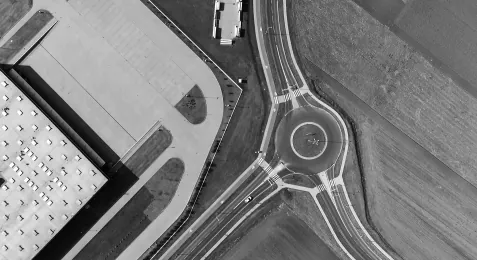
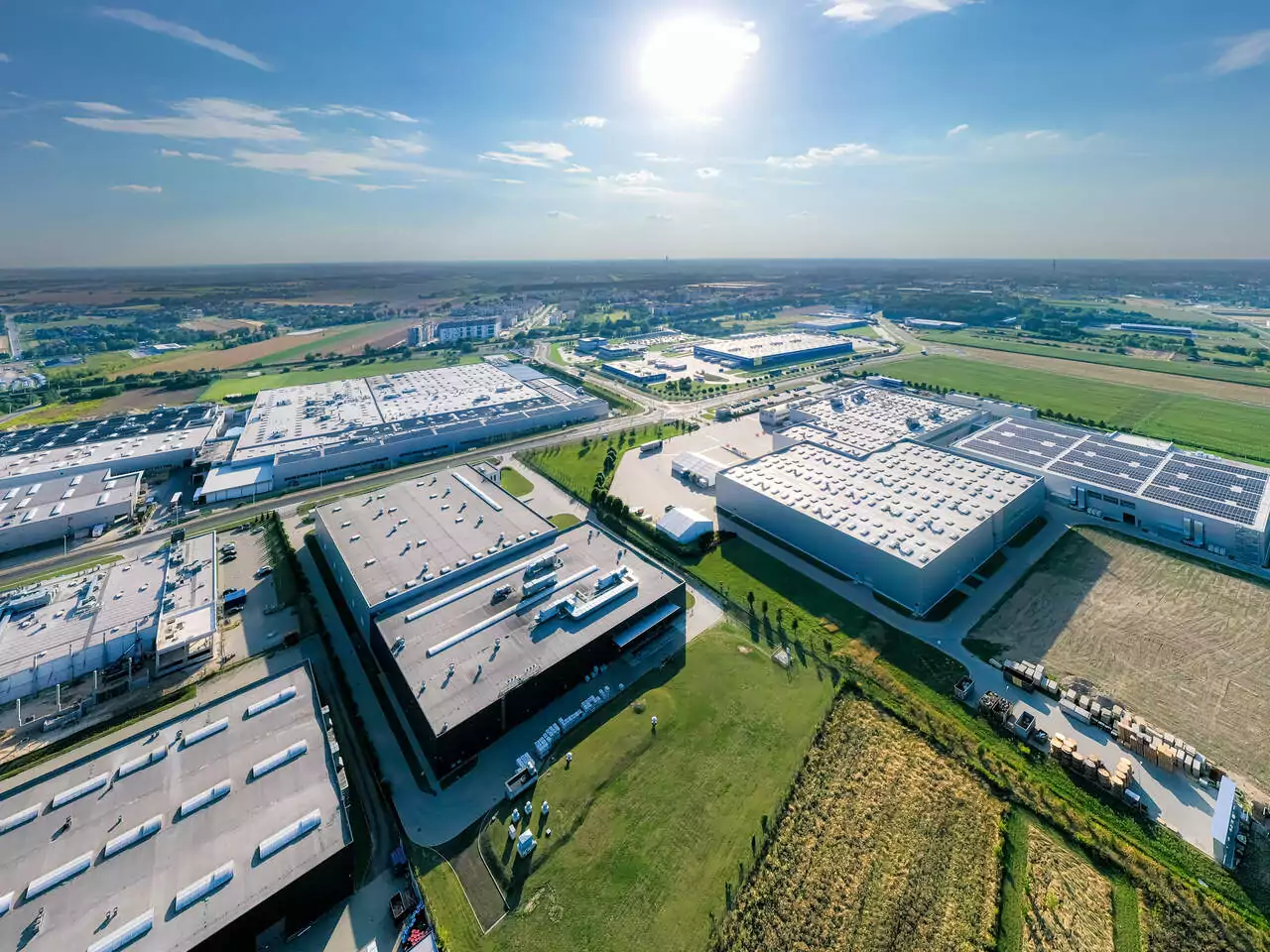
In the context of economic transformation, it is worth noting the revitalization of post-industrial areas. A prime example is the site of the former Truck Factory (Fabryka Samochodów Ciężarowych), once one of the largest automotive centers in the Lublin region. Its collapse was a major blow to the local economy, which is why the revitalization of this area became a key element in Lublin’s development strategy aimed at restoring its potential.
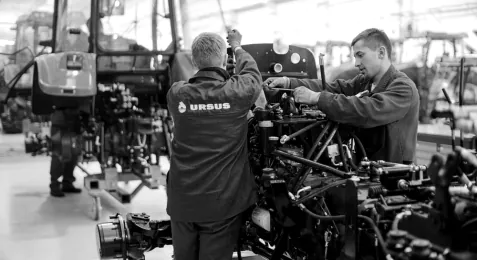
Today, this space is gradually transforming into a dynamic business ecosystem – home to more than 100 companies from the automotive, biotechnology, and logistics sectors, including Panattoni, Ursus, the Perła Breweries Distribution Center, Arthur Bus, and MPC Metal. This location not only attracts domestic and foreign investors but also illustrates how Lublin can adapt its traditional industrial zones to meet the needs of modern business.
A Diversified Economy as the Foundation of Lublin’s Resilience
Lublin’s economic structure is well-balanced and represents one of the key factors behind its stability. Three main sources of investment can be distinguished.
The first, accounting for around 45-50%, are local Lublin-based companies. They form the foundation of the city’s economy and most often reinvest their profits, expanding operations and creating jobs. The second group (20-25%) consists of Polish companies from outside the region, mainly from Warsaw, which come to Lublin to take advantage of its developed infrastructure and skilled workforce. The remaining 30% are foreign investors introducing advanced technologies and innovative processes.
Most investments are found in the industrial and logistics sectors. Companies such as TRILUX, Stock Polska, JFG Composites, and MPC Metal are expanding production, introducing new technological lines, and creating high value-added jobs. At the same time, the modern business services and IT sectors are also growing dynamically.
In Lublin, there are already more than 3,800 IT companies employing around 10,000 specialists. The BPO/SSC sector employs over 8,500 people, with global leaders such as PwC, Santander, Genpact, Orange, Capgemini, Concentrix, Generali, PKO BP, and Warta developing their operational centers here.
This diversified capital structure provides resilience against market fluctuations and allows the city to mitigate risks associated with reliance on any single market segment.
Office and Warehouse Real Estate Markets
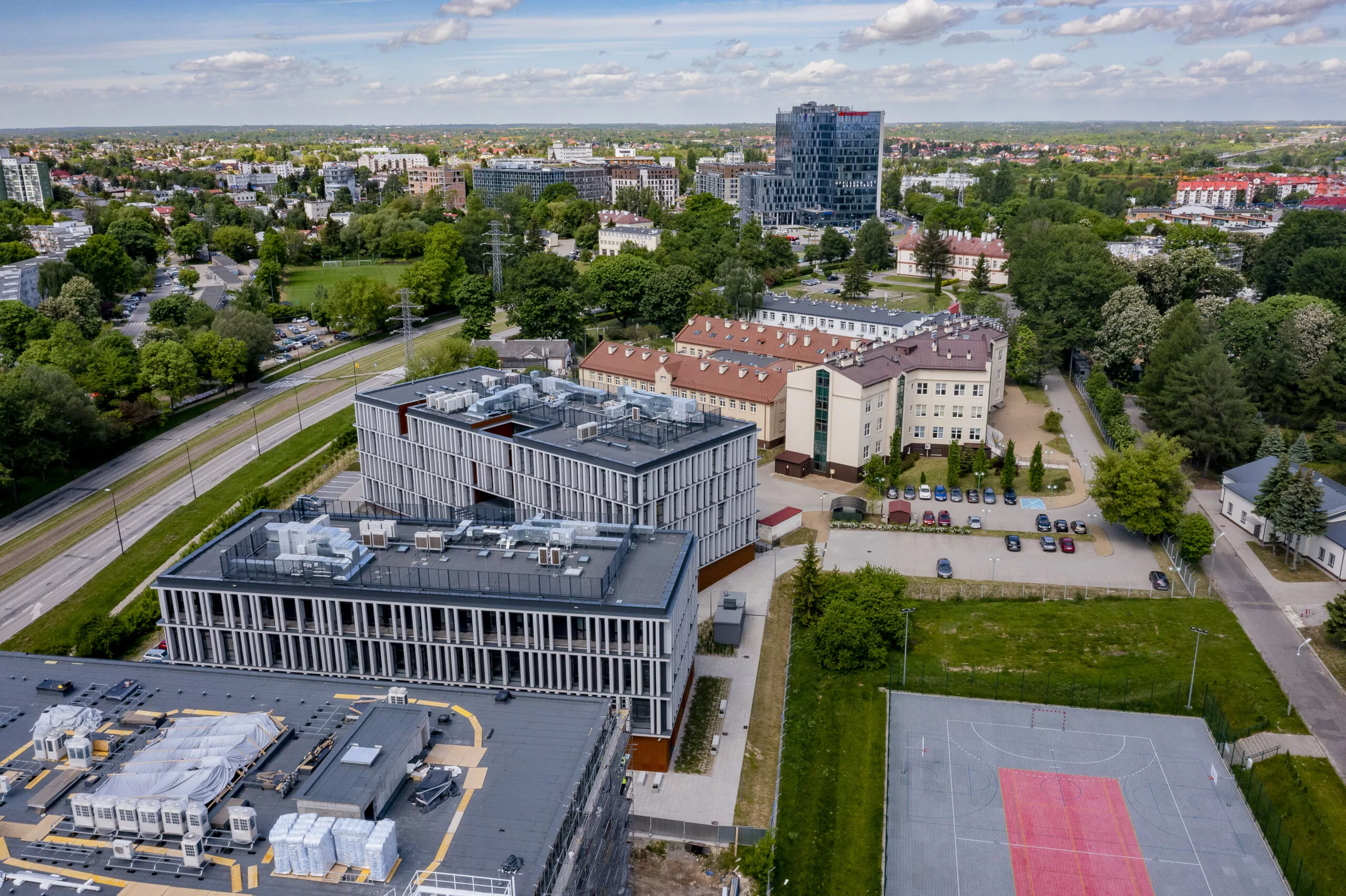
Lublin is consistently strengthening its position as a business center in the region. Currently, the city has 61 modern office buildings with a total area of 256,075 m², of which just over 27,000 m² remain available for lease. An additional 31,000 m² of modern office space is under construction or in preparation. Such a low vacancy rate demonstrates stable demand and confirms the city’s attractiveness for companies from the IT and modern business services sectors. The market is developing in a balanced way, and new projects are being tailored to tenants seeking flexible and efficient Class A office spaces.
At the same time, Lublin’s warehouse and production market is also growing strongly. It currently comprises 21 modern facilities with a total area of 515,242 m², with more than 20,000 m² under construction or in preparation. This potential was confirmed by this year’s Accolade ranking, in which Lublin ranked second among cities with up to 400,000 inhabitants as an attractive location for industrial and logistics investments.
Lublin’s High-Tech Sector Setting New Directions in Robotics and Space Technologies
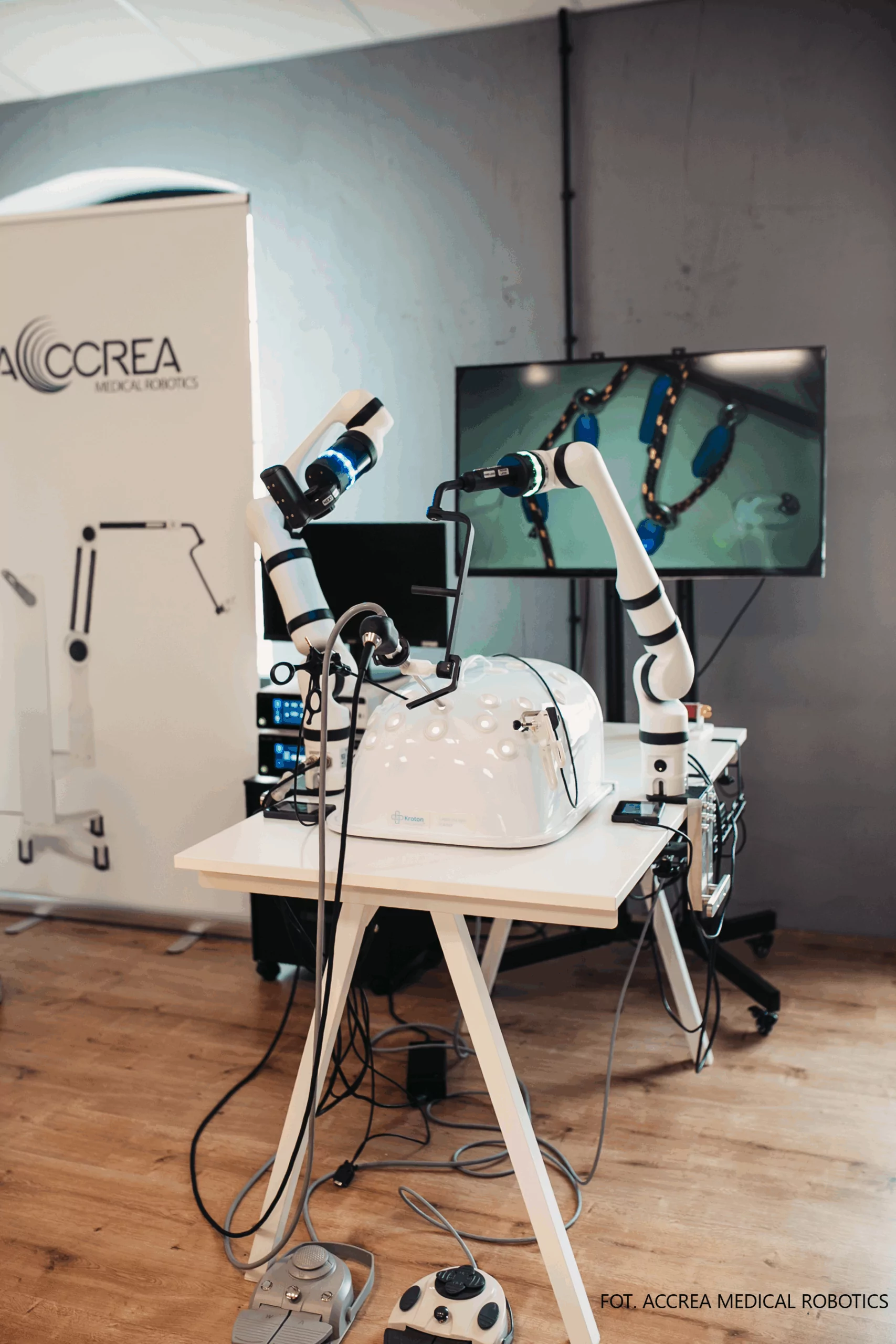
Lublin is increasingly recognized for its highly specialized technologies – in the medical, industrial, and biotechnological fields alike. A perfect example is Accrea Medical Robotics, which developed the first Polish robotic arm supporting minimally invasive surgery, or FlexiOss®, an elastic bone substitute biomaterial created by Medical Inventi. This entirely Lublin-based invention has gained international recognition, finding wide applications not only in orthopedics but also in dentistry and even veterinary medicine.
Referring to biotech innovations, it is worth mentioning Karvaderm, an intelligent antiseptic dressing developed by the Lublin startup FunkBiotics, created in response to the challenge of treating hard-to-heal and infected wounds. Lublin is increasingly focused on the future of medicine. A growing number of local companies are working on AI-based solutions for the healthcare sector – from supporting medical imaging diagnostics to optimizing management in healthcare facilities.
The region is also witnessing dynamic growth in technologies used in the space sector and in advanced health monitoring systems. SDS Optic S.A. is developing the breakthrough inPROBE® detection technology, combining fiber-optic photonics with molecular biology and chemistry. This solution enables real-time measurement of biomarkers directly inside the human body.
In June 2025, the company signed an agreement with the European Space Agency (ESA) under the Discovery program to develop a miniaturized optical biosensor with interchangeable detection tips for monitoring astronauts’ health during space missions. The technology is also being developed for terrestrial diagnostic use, but its main test environment will be space – a testament to Lublin’s growing potential in the space-tech sector.
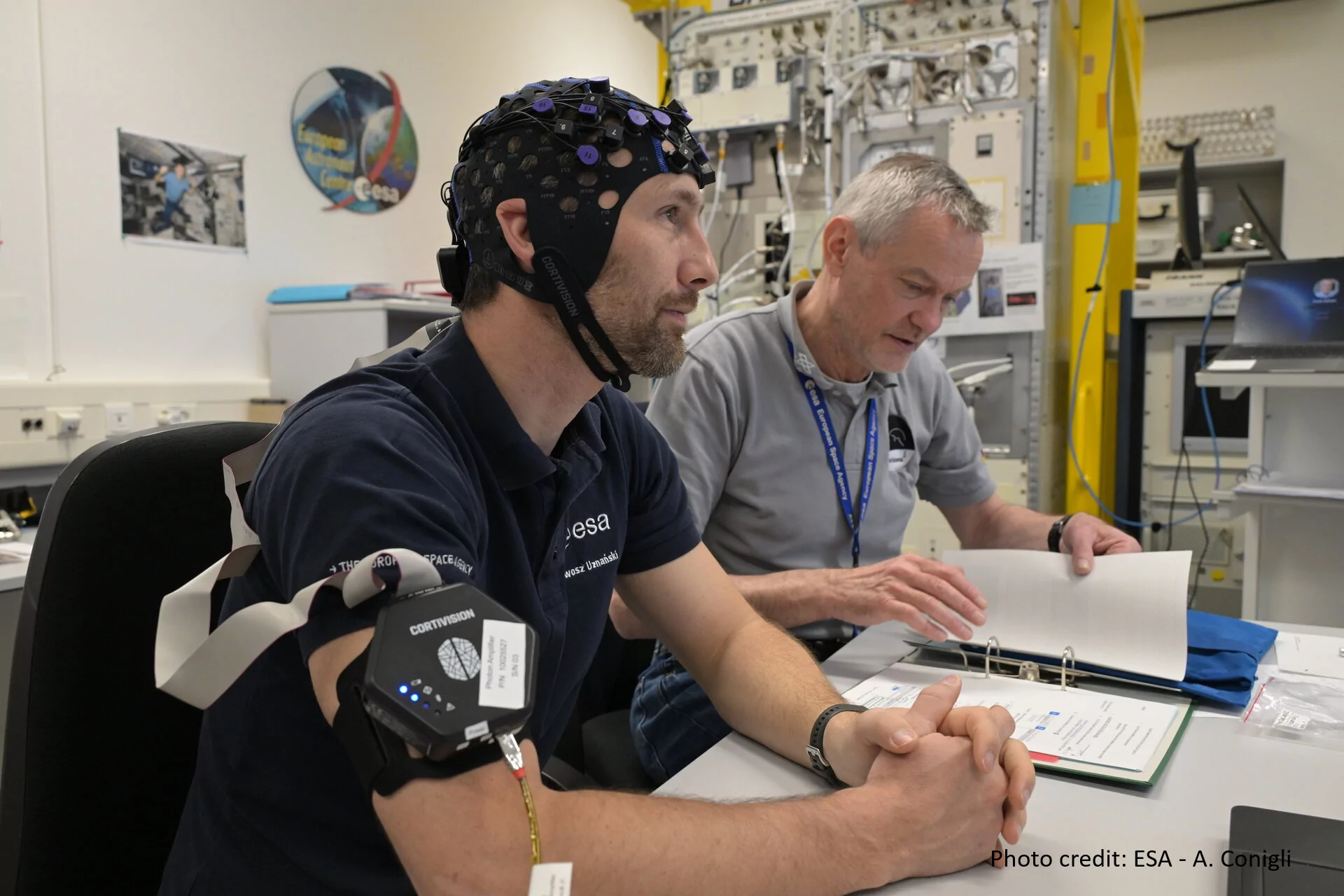
Another example is CortiVision and its fNIRS system, designed for non-invasive monitoring of brain activity. The technology was used during the AX-4 mission carried out by Axiom Space, where it reached the International Space Station (ISS). The device was used by Sławosz Uznański in an experiment involving hands-free control of equipment on the ISS – based solely on decoding brain signals – achieving a 97% success rate
.
Interviewee
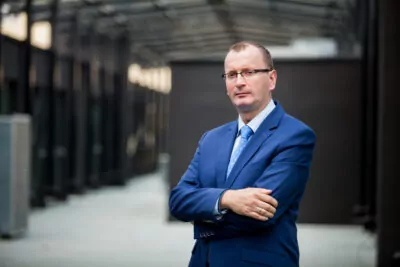
Dr. Mariusz Sagan
Director of the Department of Strategy and Investor Relations
Lublin City Hall
The full issue of Strefa Biznesu is available online: https://kurierlubelski.pl/strefa-biznesu – You can read our feature on pages 18–19. (polish language)