Lublin Info Centre
Cleanergy: natural solutions for environmental protection
What were the beginnings of your company like?
Cleanergy began its operations in 2016, however, the team’s experience in microbiology dates back to as early as 2010. The inspiration behind establishing the company came from an in-depth understanding of the potential of microbiological technologies and their wide range of applications in industry, the consumer sector, bioremediation of contaminated sites, and the highly important field of agriculture.
The first years of activity were dedicated to testing and implementing microbiological solutions under real-world conditions. We started, among other things, with work on the biodegradation of petroleum-derived compounds in soil and water, as well as the cleaning of industrial infrastructure. The results of this work confirmed the effectiveness of the chosen technology and became the driving force behind the development of a company focused on creating dedicated microbiological preparations for specific applications.
From the very beginning, our mission has been to develop safe, natural solutions that not only do not harm the environment, but actively support its purification and regeneration.
How would you describe, in the simplest terms, the development of the products created by your company?
At the initial stage, two core preparations were developed. One was designed for the degradation of petroleum-based contaminants, while the other was dedicated to the breakdown of organic substances such as proteins, fats, oils, sugars and starches. These preparations consisted of a nutrient medium and carefully selected consortia of microorganisms. The formulations were subjected to extensive testing to assess their effectiveness under various conditions.
Based on this technology, we developed a range of products intended to maintain cleanliness while simultaneously breaking down contaminants in wastewater. This works by effectively transferring the function of a biological wastewater treatment plant directly to the place where cleaning takes place. As a result, our offer began to expand dynamically, and we created specialised products for specific applications.
That was the beginning – what does the situation look like today?
Today, the company’s portfolio includes approximately one hundred products, which can be divided into several main categories.
The first group consists of bioremediation products designed for the degradation of petroleum-derived pollutants and organic compounds in both soil and water bodies.
The second category includes cleaning and washing products for the marine sector and the HoReCa industry, used in hotels, restaurants, offices, educational institutions and private households.
Another product line is dedicated to industrial applications within the circular economy, including wastewater treatment plants, landfill sites, waste sorting facilities and composting plants, where our preparations support biological decomposition processes and help eliminate unpleasant odours.
The final group comprises products for agriculture. These include preparations that improve soil fertility and humus content, support plant growth and increase crop yields, as well as composting agents that accelerate the mineralisation and humification of organic waste. This line also includes products that effectively reduce unpleasant odours on farms, as well as cleaning agents for agricultural infrastructure and machinery.
In line with EU trends and guidelines, more and more companies are turning to biological solutions. What gives your products a competitive edge over others available on the market?
In our case, the competitive advantage lies primarily in the genuinely biological nature of our products, rather than merely declarative claims. Many products on the market, particularly cleaning agents labelled as “eco” or “bio”, still contain chemical components, whereas our preparations are completely free of them. Our solutions rely exclusively on biological processes and carefully selected consortia of microorganisms.
Another key factor is quality and effectiveness. Our preparations match the performance of the best chemical agents while simultaneously pre-treating wastewater and improving its parameters. This functionality represents a significant advantage over traditional cleaning products.
In the area of hazardous substance degradation, we have developed specialised microbiological consortia capable of breaking down even the most difficult and dangerous hydrocarbon compounds, such as phenols, coal tar, polycyclic aromatic hydrocarbons (PAHs), as well as substances from the BTX and PCB groups.
Your company has been operating on the market for quite some time now. Which of your achievements do you consider the most important?
Among our most significant achievements, I would highlight the development of an effective biological method for breaking down creosote oil, found for example in used railway sleepers, as well as the degradation of coal tar.
A particularly important breakthrough for us was the successful development of a method for the biodegradation of coal tar. At the time we began our research, most available scientific studies suggested that such contaminants could not be effectively treated using biological methods. However, our tests and research demonstrated that appropriately selected microbial consortia are capable of efficiently breaking down these substances, representing a major breakthrough in this field.
Another key success has been the creation of a very broad product portfolio applicable across many different sectors. What distinguishes us in the market is the scale and diversity of our offer. Special attention should be given to our 100% natural cleaning products, which not only provide effective cleaning but also biologically degrade contaminants in wastewater, fully replacing traditional chemical agents.
You mentioned a scientific breakthrough that prompted a new perspective in the field. Are there any other scientific achievements you can highlight?
Indeed, there have been several such achievements worth emphasising. One of the most significant took place during the COVID-19 pandemic. During this period, we succeeded in developing bacterial consortia with full virucidal effectiveness against both non-enveloped and enveloped viruses. This opens up prospects for further development of microbiological preparations with biocidal properties, potentially applicable in medicine and animal husbandry as well.
Another major achievement lies in our agricultural research. Studies conducted in cooperation with academic institutions clearly showed that our consortia contain bacteria characteristic of the rhizosphere—the soil zone directly surrounding plant roots. These microorganisms have a significant impact on plant development and health. The use of our bacteria resulted, among other outcomes, in a 72% increase in green bean yields and a 47% increase in sugar beet yields, with positive effects observed across all tested crops.
Recent studies also indicate that our microbiological consortia can effectively limit the development of plant pathogens such as Fusarium culmorum and Rhizoctonia solani. These findings clearly define the future direction of our research and development activities.
Are you currently conducting any research projects?
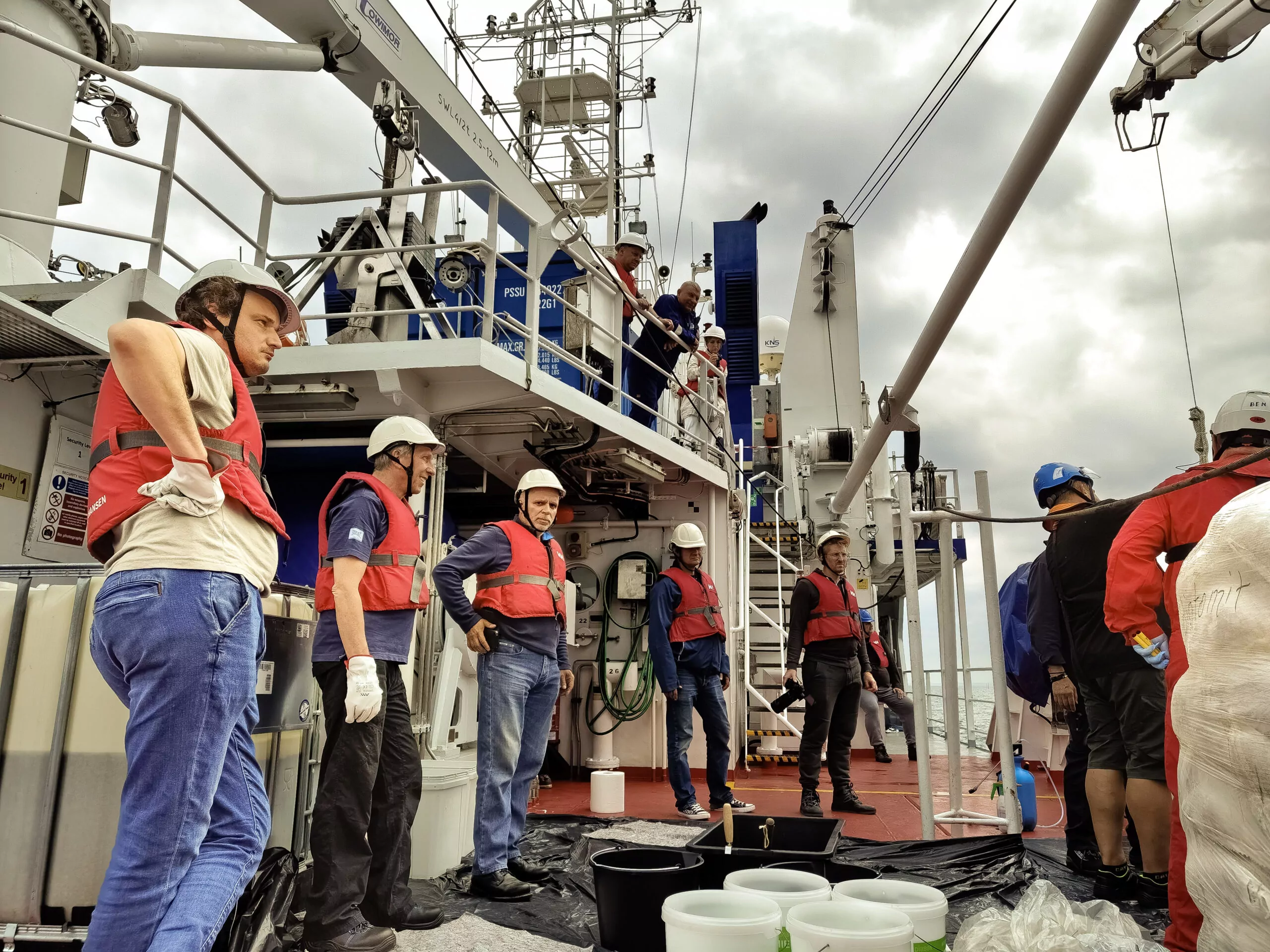
Yes, we are currently engaged in intensive research activities. For over a year now, we have been participating in the international project BALTWRECK – Prevention of Chemical Pollution of Marine Waters Caused by Wrecks and Ammunition/Weapon Dump Sites in the Southern Baltic Sea. Our objective is to develop an effective method for the degradation of contaminants located on the seabed of the Baltic Sea.
The project is led by the Institute of Fluid-Flow Machinery of the Polish Academy of Sciences in Gdańsk and involves institutions and companies from Poland, Germany, Lithuania and Sweden. It is worth noting that all participating entities are from the Baltic region, with the exception of our company and Jagiellonian University.
The project is scheduled to conclude in June 2027. The initial research results are promising and indicate that the intended objectives can be achieved. This initiative is of great environmental importance, as the scale of pollution in the Baltic Sea is significant, and potential leakages from wrecks and stored ammunition could lead to serious ecological disasters.
Finally, how do you envision cooperation with the city authorities, and do you see any areas for joint action?
The city of Lublin, with its potential and capabilities, could successfully implement our biological preparations for large-scale cleanliness maintenance. These solutions are safe, environmentally friendly and highly effective, making them suitable for use in public buildings and urban spaces.
Another important area for potential cooperation involves ecological projects related to urban greenery. The use of preparations that increase soil humus content could improve soil structure and rainwater retention capacity, significantly benefiting urban green spaces and water management.
The city also generates substantial amounts of green biomass, which currently represents a considerable challenge. With appropriate biological solutions, this biomass could be transformed into a valuable product, such as a high-quality soil improver for local use.
From the perspective of city authorities, residents and the public image of the municipality, it would also be beneficial to adopt a more open approach to innovative and environmentally friendly solutions, including providing opportunities for local entrepreneurs to present the technologies they are developing. It would also be advisable for procurement processes and tenders to place greater emphasis on environmental criteria and long-term effectiveness rather than focusing solely on the lowest price. Such an approach helps reduce indirect costs related to environmental protection and wastewater management, delivering tangible benefits in the long run.
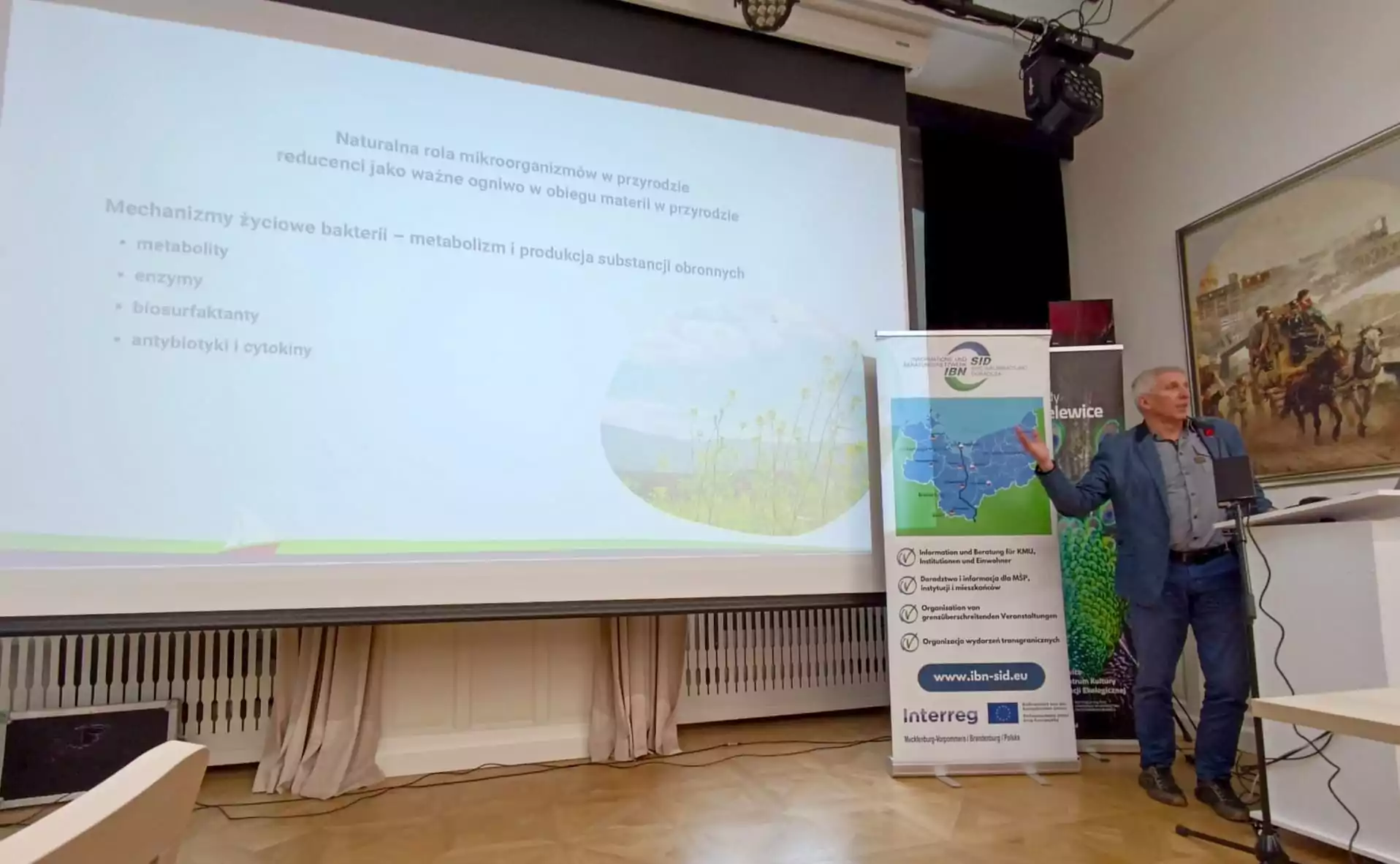
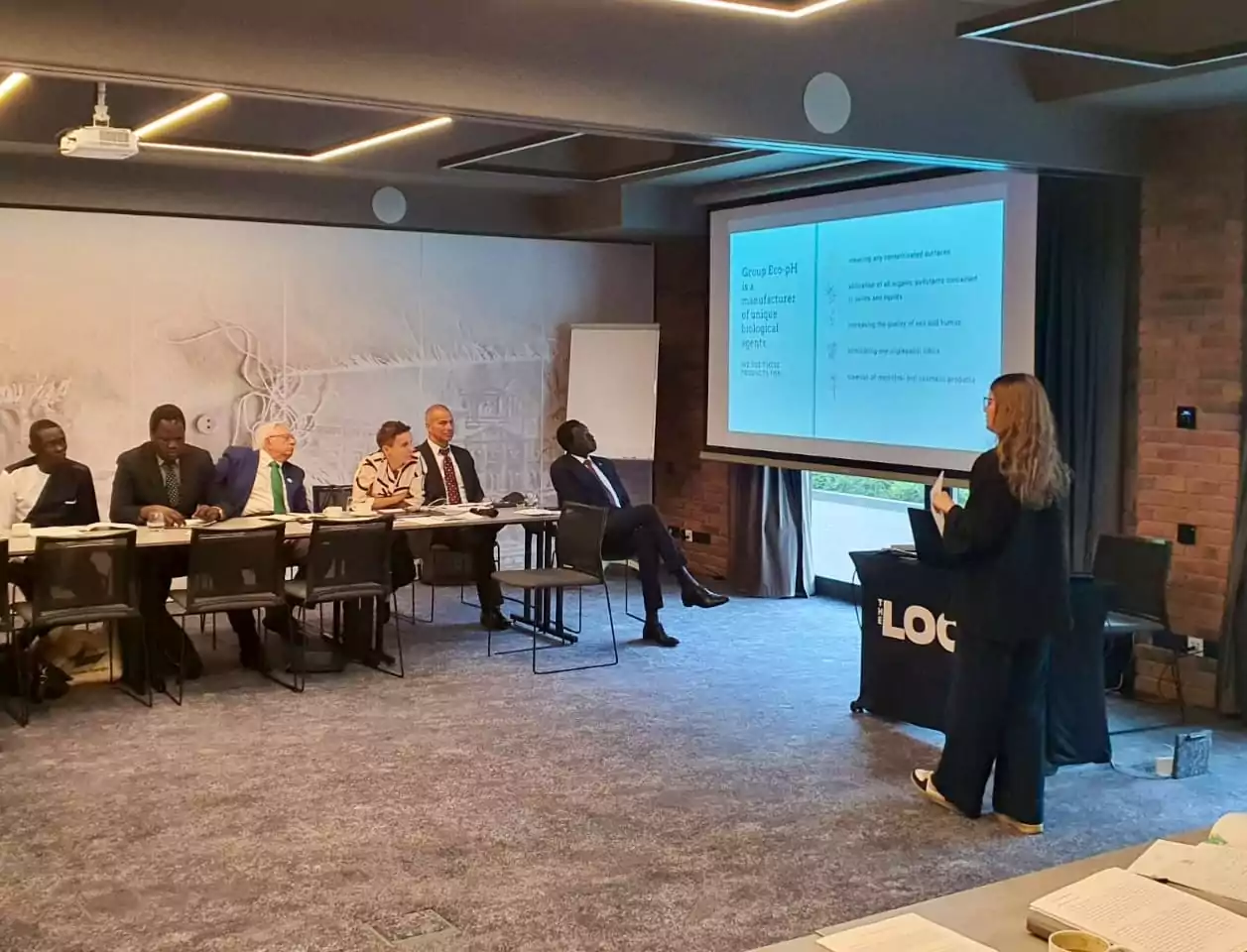
Cleanergy
Learn more about the company: https://bioecoph.pl/