Lublin Info Centre
Lublin partners with South Korea to shape its smart city future
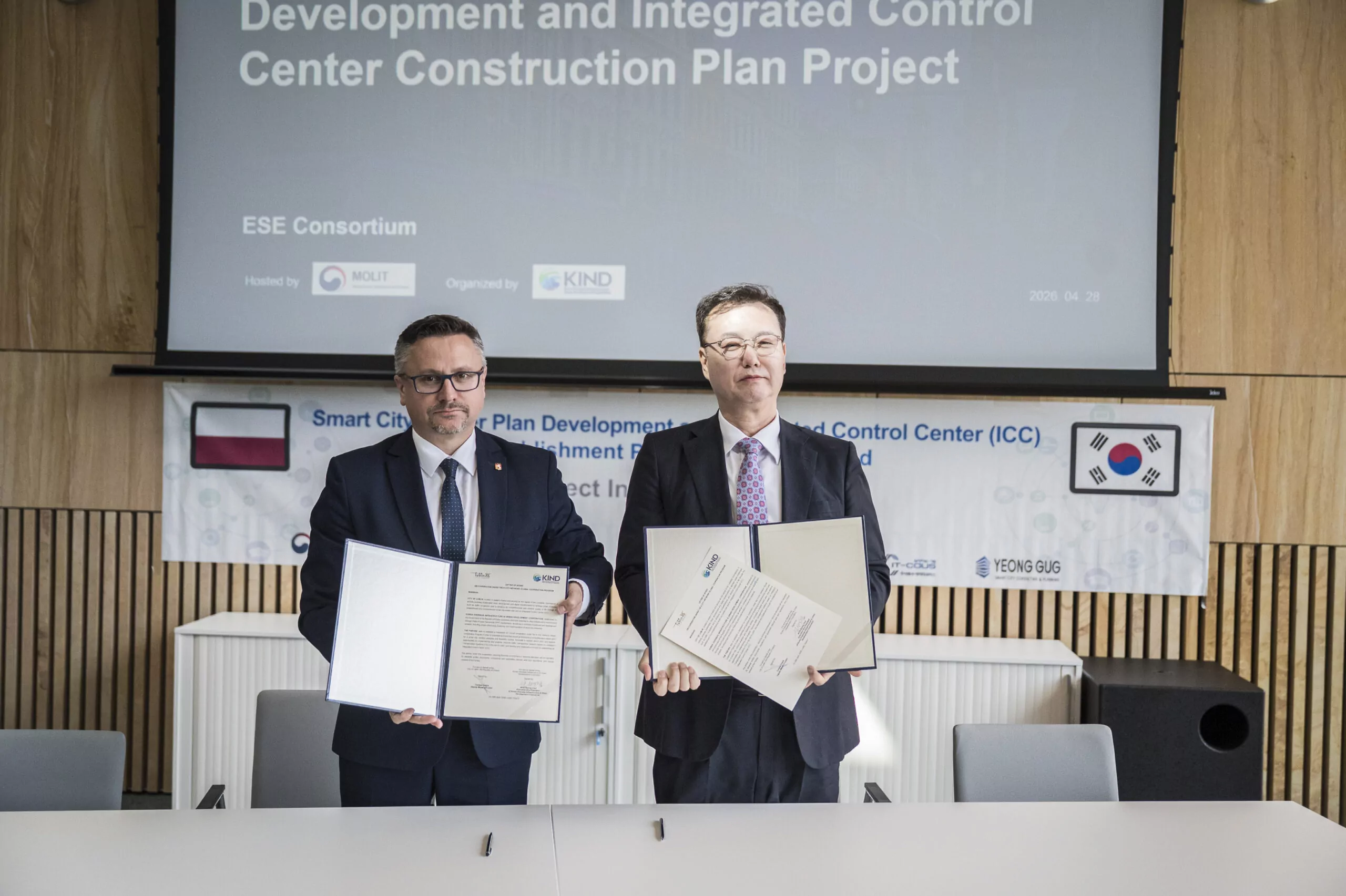
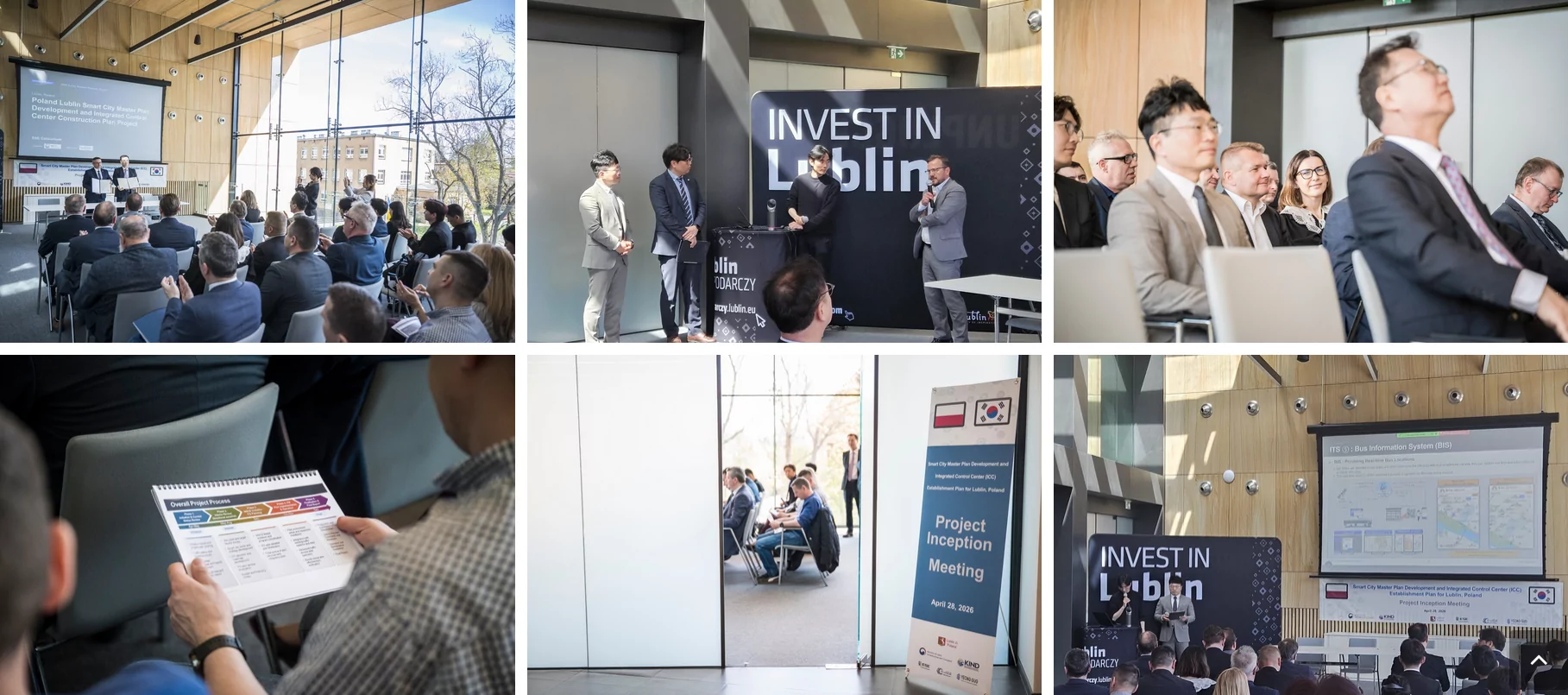
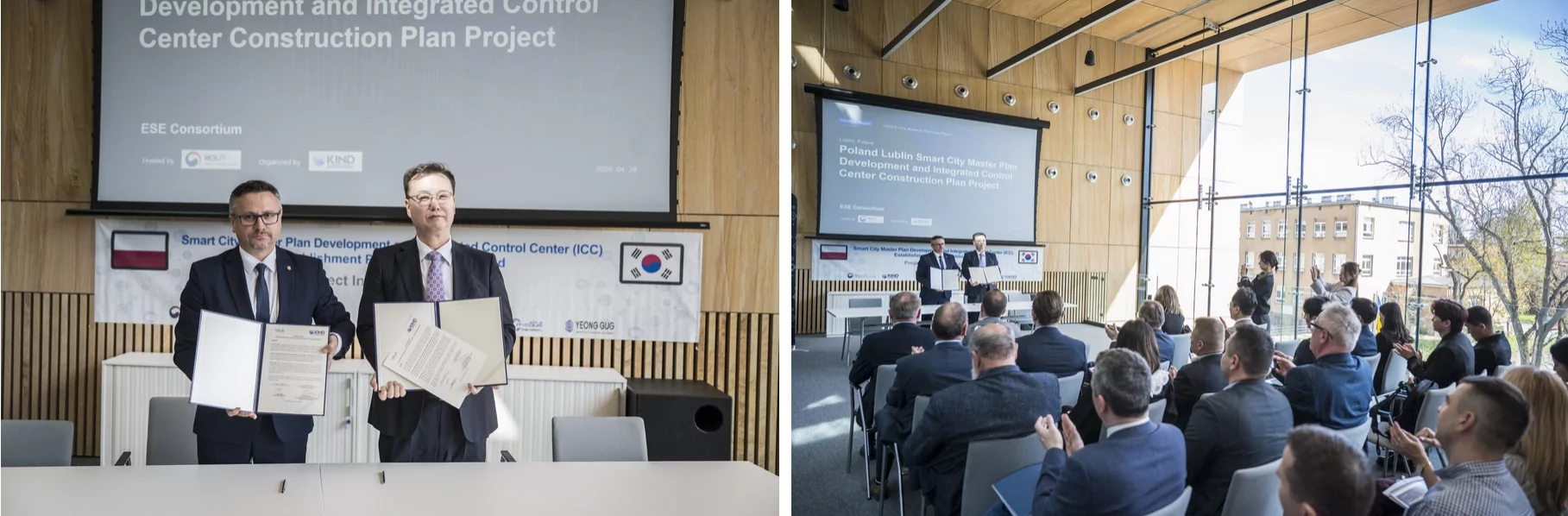
Lublin has signed a cooperation agreement with the Korea Overseas Infrastructure & Urban Development Corporation (KIND). Through this program, the city will receive advisory and expert support from the Ministry of Land, Infrastructure and Transport of the Republic of Korea.
This collaboration provides Lublin with access to international know-how and advanced tools to:
Better plan urban development.
Improve city transport efficiency.
Implement modern services for residents.
The project scope
The project, titled “Lublin Smart City Master Plan and ICC Development Plan,” serves as the foundation for future municipal investments. With a budget of approximately USD 485,000, the initiative is scheduled for completion by December 2026.
Key pillars of the project include:
Alignment with “Lublin 2030 Strategy”: Updating the city’s long-term strategy to transition from Smart City 3.0 to the 4.0 model.
Integrated Control Center (ICC): Preparing a preliminary feasibility study for a centralized hub to manage city operations, including emergency response, big data analysis, and real-time monitoring.
Advanced Intelligent Transport Systems (ITS): Developing a pilot project to modernize traffic control, prioritize public transport, and enhance road safety using AI-driven tools.
Implementation and recent progress
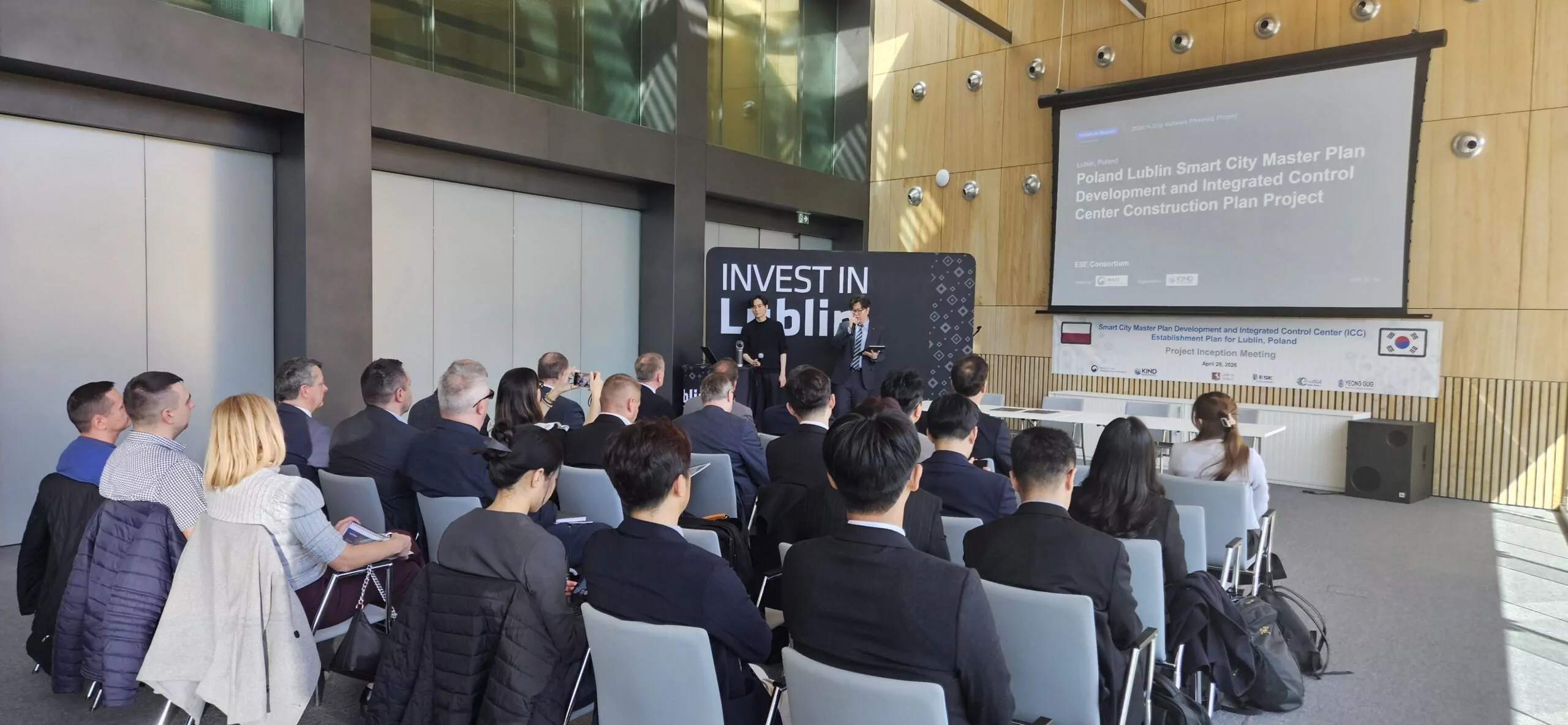
The implementation phase is already underway, led by the ESE Consortium (comprising ESE, YeongGugC&P, and IT-COUS). Between April 25 and May 1, 2026, a delegation of eight Korean experts visited Lublin to conduct the official kickoff meeting and field surveys.
During the visit, experts analyzed:
Existing traffic management systems (TMS) and control environments.
Potential locations for ICC and ITS demonstration projects.
Urban security and ICT infrastructure maturity.
Looking Ahead
The cooperation will continue throughout 2026, with the next steps focusing on finalizing the ICC concept and preparing the ITS demonstration plan by the end of the year. By integrating South Korean technological excellence with Lublin’s local expertise, the city is reinforcing its position as a leading hub for innovation and sustainable urban growth in Central and Eastern Europe.